Yes, you can sell a house as-is in North Carolina, meaning you sell it in its current condition and the buyer accepts it without asking you to make repairs. Selling as-is does not remove your legal duty to be honest, though. North Carolina law generally requires residential sellers to give buyers a Residential Property Disclosure Statement, and you cannot hide known problems. As-is buyers, often cash buyers, expect a lower price in exchange for taking on the repairs and the risk, so the tradeoff is usually speed and convenience versus top dollar.
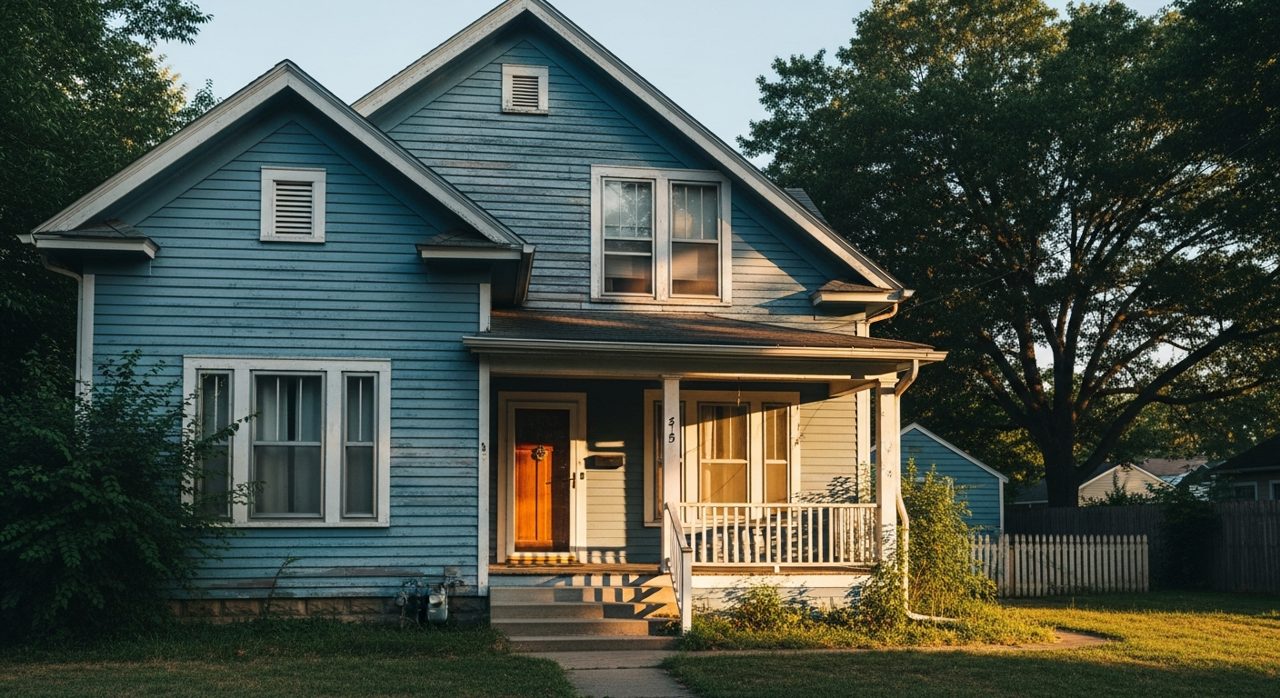
When a home needs more work than you can take on, it is easy to feel stuck, and it helps to know that selling as-is is a normal, legitimate path with real options.
Selling as-is means you sell the home in its current condition. You are telling buyers up front that you will not be making repairs or offering repair credits, and they should factor that into their offer. It does not mean the home is sold in secret or that you can hide defects. Honesty is still required.
As-is is common for homes that need work, inherited properties, and situations where the owner does not have the time, money, or desire to fix things before selling.
North Carolina law generally requires the seller of residential property to provide a Residential Property Disclosure Statement, a standard form where you disclose the condition of the home and known issues. Sellers usually answer the questions or mark items as "no representation" where allowed, but you cannot knowingly hide a defect you are aware of. Selling as-is limits repair requests, but it does not cancel this disclosure obligation. When in doubt, disclose it, and ask a North Carolina real estate attorney if you are unsure.
Neither is automatically better. If the home needs significant work and you value certainty and speed, as-is to a cash buyer can be the practical choice. If it needs mostly cosmetic updates and you can wait, a listing might net more.
HomePath Options is a free, independent matching service. We are not a buyer, not an agent, not a lender, and not a law firm. If selling as-is makes sense for you, we check whether we have one vetted local buyer who works in your North Carolina county. If we do, we can introduce you so you can consider an as-is offer with no repairs, no cleaning, and no showings. If we do not have a buyer in your area, we will tell you straight.
There is no fee, no obligation, and you can walk away anytime. We never promise a specific price or timeline, only a buyer who has seen the home can talk real numbers, and every decision stays yours.
Yes. North Carolina generally requires residential sellers to provide a Residential Property Disclosure Statement, and you cannot knowingly hide defects you are aware of. Selling as-is limits repair requests, but it does not remove your duty to be honest about the home's condition.
It means you sell the home in its current condition and tell buyers up front that you will not make repairs or give repair credits. Buyers factor the needed work into their offer. It does not mean you can conceal known problems.
Usually an as-is or cash offer comes in below full retail price, because the buyer takes on the repair costs and risk. In exchange you get speed, fewer showings, and no repair work. Whether that tradeoff is worth it depends on the home's condition and your priorities.
Yes. Homes that need major work can be hard to sell to buyers using standard financing, since lenders may require certain condition standards. Cash buyers commonly purchase homes as-is, which is why an as-is sale is a common path for properties that need significant repairs.
For most residential sales in North Carolina, the seller must provide this standard disclosure form. Sellers answer the questions or, where allowed, mark "no representation," but you still cannot knowingly hide a defect. A North Carolina real estate attorney can confirm how it applies to your sale.
Neither. HomePath Options is a free, independent matching service, not a buyer, and there are no fees or obligations. If we have a vetted local buyer in your county, we introduce you so you can consider an as-is offer, and you decide whether to move forward.
See if we have a buyer in your county, free
This page is general information, not legal or tax advice. For your specific situation, consult a licensed attorney in your state or the relevant agency. HomePath Options is an independent matching service, not a law firm, lender, or government program.