Yes, you can sell a house as-is in Pennsylvania, which simply means you are not agreeing to make repairs before closing. Important point: selling as-is does not remove your disclosure duty. Under Pennsylvania's Real Estate Seller Disclosure Law, sellers of most residential homes must complete a Seller's Property Disclosure Statement and disclose known material defects, even in an as-is sale. Being honest about the home's condition up front protects you and helps the sale go smoothly.
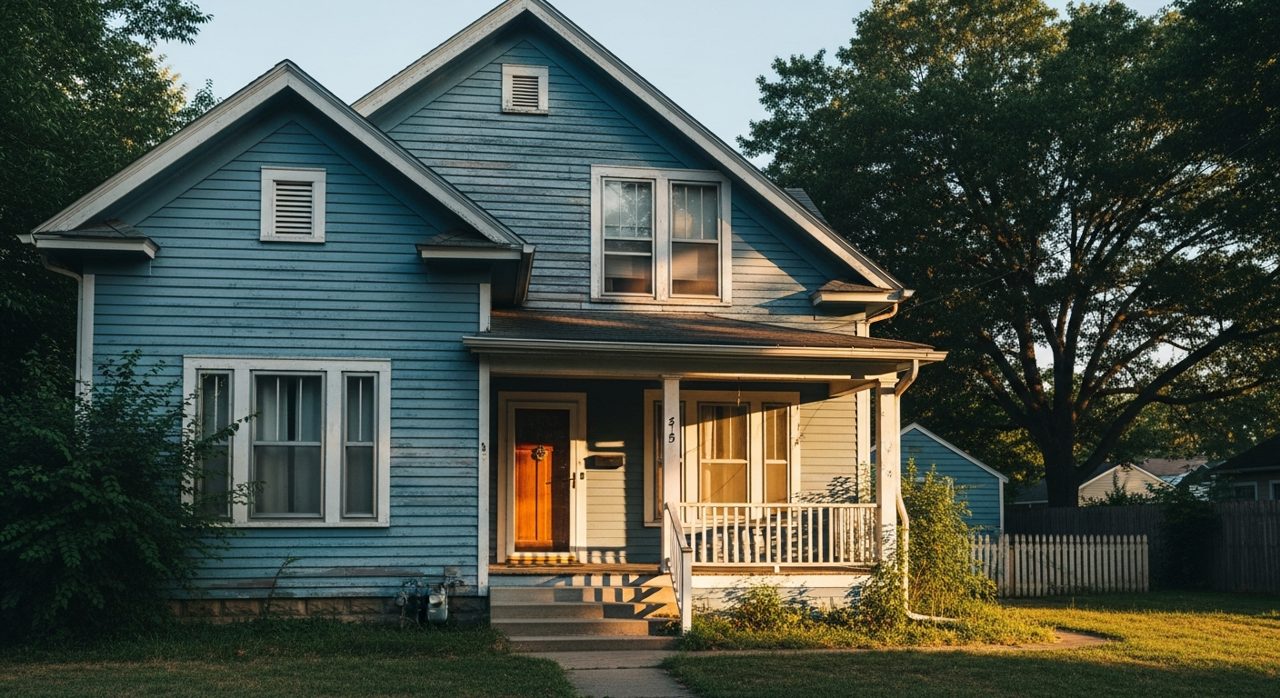
It is stressful to look at a house that needs work you cannot easily afford or manage, and wanting a simpler way through is completely understandable.
Selling as-is means you are selling the house in its current condition and are not agreeing to make repairs before closing. It does not mean the buyer gives up their right to inspect the home, and it does not erase your legal duty to be honest about what you know. Buyers can still get an inspection and can still walk away, but they go in knowing you will not be fixing things.
This is the part sellers most often get wrong. Pennsylvania's Real Estate Seller Disclosure Law requires sellers of most residential properties to complete a Seller's Property Disclosure Statement and disclose known material defects, things like a leaking roof, a wet basement, electrical or plumbing problems, or a failing septic system. Selling as-is does not remove this requirement. There are some exemptions (for example, certain transfers such as sales by an estate or by a sheriff), but if you are a typical homeowner selling your house, plan to disclose. Being upfront is not only the law, it also reduces the chance of a dispute later.
When a house needs work, owners in Pennsylvania usually weigh a few paths:
None of these is automatically best. The right choice depends on the home's condition, your timeline, and how much effort you want to put in.
A cash, as-is sale removes a lot of friction. There is no repair list, no waiting on a mortgage approval, and often a quicker, more predictable closing. The tradeoff is price: a buyer taking on the repairs and the risk will typically offer less than a fully renovated home would fetch. That can still be the smart move when the repairs are large, when you need to move quickly, or when you simply do not want the hassle. Compare a realistic as-is offer against what you would net after paying for repairs and a longer listing, and the gap is often smaller than it first appears.
Older housing stock across Pennsylvania means sellers often face things like aging roofs, wet or leaking basements, outdated electrical panels, older heating systems, and, in some homes, questions about lead paint given the number of pre-1978 properties. You do not have to fix these to sell as-is, but you should disclose the ones you know about.
HomePath Options is a free service that matches you with one vetted local buyer who is comfortable with a home that needs work. We are not a we-buy-houses company, and we are not agents, lenders, or attorneys. We never charge a fee. If a HUD-approved housing counselor or an attorney would serve you better first, we will tell you honestly. There is no obligation, no pressure, and you can walk away at any time. The idea is simply to give you one clear, local option to consider alongside anything else you are weighing.
Disclosure requirements, exemptions, and taxes depend on your situation. Please treat this as general information and confirm the details with a Pennsylvania real estate attorney or title professional.
Yes. Selling as-is does not remove your duty under Pennsylvania's Real Estate Seller Disclosure Law. Most residential sellers must complete a Seller's Property Disclosure Statement and disclose known material defects, even in an as-is sale.
No. As-is means you will not make repairs, but the buyer can still inspect the property and can still choose to walk away based on what they find.
Usually the price reflects the repairs the buyer will take on, so an as-is offer can be lower than a renovated home would bring. Compare it against what you would net after paying for repairs and a longer listing, since the difference is often smaller than expected.
Yes, some transfers are exempt, such as certain sales by an estate or by a sheriff. Most ordinary homeowners selling their own house are not exempt, so plan to disclose. Confirm your situation with an attorney or title professional.
Aging roofs, wet or leaking basements, outdated electrical panels, older heating systems, and lead paint questions in pre-1978 homes are common. You do not have to fix these to sell as-is, but you should disclose the ones you know about.
No. HomePath Options is free and matches you with one vetted local buyer who is comfortable with a home that needs work. We never charge a fee, there is no obligation, and you can walk away at any time.
See if we have a buyer in your county, free
This page is general information, not legal or tax advice. For your specific situation, consult a licensed attorney in your state or the relevant agency. HomePath Options is an independent matching service, not a law firm, lender, or government program.