You can sell a vacant or out-of-state Connecticut property the same ways you would any home, through a traditional listing or a direct sale to a buyer, and you do not have to be physically present to close. The bigger issues with a vacant home are usually the ongoing carrying costs (mortgage, taxes, and utilities) and insurance, because many standard homeowner policies reduce or drop coverage once a house sits empty for a set period, often around 30 to 60 days. The right path depends on how quickly you want to be done and whether the home needs work.
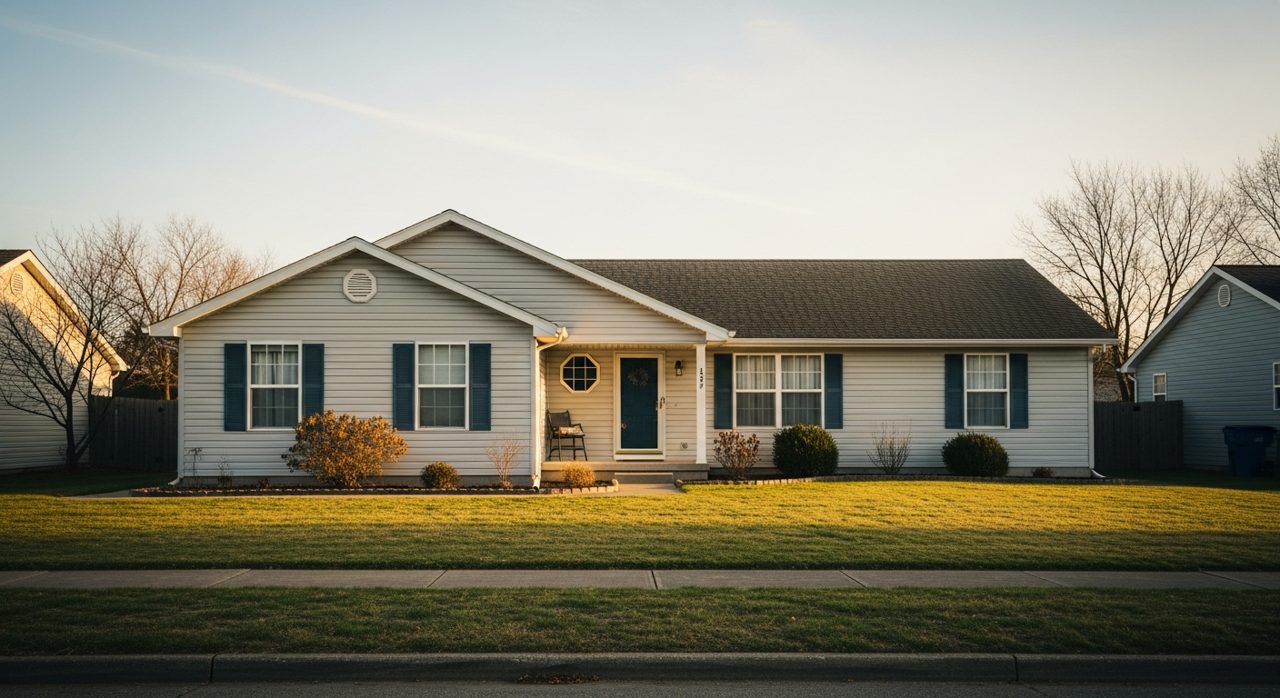
Owning an empty house from a distance is a quiet kind of stress, the bills keep coming and you are managing it all from far away, and that is completely understandable.
An empty property keeps generating expenses even when no one lives there. The common carrying costs in Connecticut include:
These add up month after month, which is why many owners of vacant homes want a clear timeline for selling.
This is the single most important thing to check. Most standard homeowner insurance policies limit or exclude coverage once a home has been vacant for a set period, commonly around 30 to 60 days, though the exact terms vary by insurer and policy. If a pipe bursts, a tree falls, or someone is hurt on the property after that window, a claim can be denied.
If your Connecticut home is or will be empty:
Managing a Connecticut sale from another state adds a few wrinkles, but none of them are dealbreakers:
If coordinating a listing from another state feels like more than you want to take on, HomePath Options is a free service that matches you with one vetted local buyer in the Connecticut county where your property sits. What that looks like:
We do not buy your house ourselves, and we are not agents, a lender, or a law firm. Selling is one option among several, and this page is general information, not advice about your specific property.
Often only for a limited time. Most standard homeowner policies reduce or exclude coverage once a home is vacant for a set period, commonly around 30 to 60 days, though terms vary. Call your insurer to confirm their vacancy rules and ask about a vacant home endorsement before the window runs out.
Usually not. Connecticut closings can typically be completed with documents signed remotely and notarized where you live, and many closings are handled through an attorney. A local buyer or agent can manage things on the ground for you.
The common ongoing costs are the mortgage (if any), property taxes billed by the Connecticut town, utilities to keep heat and power on, and basic upkeep like lawn care and snow removal. In winter, keeping minimal heat on helps prevent frozen or burst pipes.
Yes. You can list it and disclose its condition, or sell it as-is to a direct buyer who takes it in its current state. Selling as-is is often faster and requires no repairs, though you usually accept a lower price in exchange for the convenience.
Keep minimal heat running or have the plumbing winterized to prevent frozen pipes, arrange for snow removal, and have someone check on the property regularly. Also confirm your insurance still covers the home while it is vacant.
No. HomePath Options is free. We match you with one vetted local buyer in your Connecticut county, there are no fees, and you can walk away at any time. We are not agents, a lender, or a law firm.
See if we have a buyer in your county, free
This page is general information, not legal or tax advice. For your specific situation, consult a licensed attorney in your state or the relevant agency. HomePath Options is an independent matching service, not a law firm, lender, or government program.