Yes, you can sell a vacant or out-of-state property in North Carolina, and you do not have to travel here to do it. North Carolina closings are handled by a real estate attorney, and out-of-state owners can often sign remotely or through a mailed or notarized packet. The bigger issue with a vacant home is usually the ongoing cost and risk: taxes, insurance, and upkeep continue whether or not anyone lives there, and many standard homeowner policies limit coverage once a home sits empty. Selling sooner rather than later often makes sense when a home is sitting vacant.
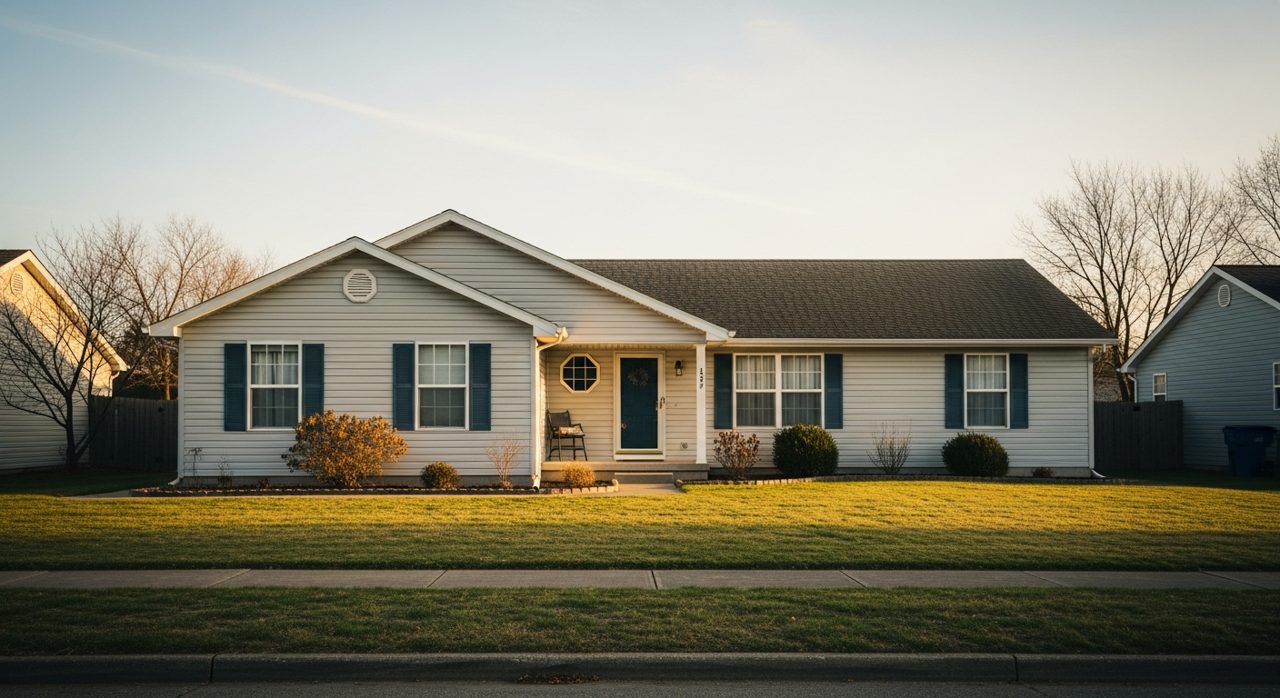
Managing an empty house from a distance is stressful, especially when the bills keep coming and you cannot easily check on it, and you deserve a straightforward path forward.
An empty home is not free to hold. Even with no mortgage, the ongoing costs add up and the risks grow the longer it sits.
Selling from another state adds a few wrinkles, but none of them are dealbreakers.
HomePath Options is a free, independent matching service. We are not a buyer, not an agent, not a lender, and not a law firm. If selling a vacant or out-of-state property makes sense for you, we check whether we have one vetted local buyer who works in that North Carolina county. If we do, we can introduce you so you can consider an as-is offer without traveling, repairing, or staging the home. If we do not have a buyer there, we will tell you honestly.
There is no fee, no obligation, and you can walk away anytime. We never promise a specific price or timeline, only a buyer who has assessed your property can talk real numbers, and the decision always stays yours.
Yes. North Carolina closings are handled by a real estate attorney, and out-of-state sellers can often sign through a mailed and notarized packet or, in some cases, approved remote options. You generally do not need to travel to North Carolina to sell.
Often not fully. Many standard homeowner policies reduce or void coverage once a home has been vacant for a set period, which varies by policy. You may need a separate vacant property policy. Check with your insurer before the home sits empty for long.
Property taxes, insurance, utilities, and upkeep continue whether or not anyone lives there. On top of that, vacant homes face higher risk of weather damage, break-ins, and problems that go unnoticed. These costs and risks tend to grow the longer the home stays vacant.
It depends on the home and your situation. Fixing it up can raise the price but takes time, money, and coordination that is hard from a distance. Selling as-is to a cash buyer is faster and avoids repairs and showings, though the offer may be below full retail.
Coordinating access, cleaning, and repairs remotely is one of the hardest parts of a long-distance sale. A direct cash sale avoids most or all showings, which is why many out-of-state owners prefer it.
No. HomePath Options is free with no fees and no obligation. We are an independent matching service, not a buyer or agent. If we have a vetted local buyer in your county, we introduce you, and you decide whether to move forward.
See if we have a buyer in your county, free
This page is general information, not legal or tax advice. For your specific situation, consult a licensed attorney in your state or the relevant agency. HomePath Options is an independent matching service, not a law firm, lender, or government program.