You can sell a vacant Pennsylvania house the same way you would any other home, but two things deserve early attention: the ongoing carrying costs (mortgage, taxes, insurance, and upkeep that continue whether or not anyone lives there) and your insurance, since many standard homeowners policies limit or drop coverage once a home sits empty beyond roughly 30-60 days. If you live out of state, you can usually handle the entire sale remotely, and you may be able to sign closing documents through a mobile notary or, in some cases, remotely. The key is deciding quickly whether to keep carrying the property or move it.
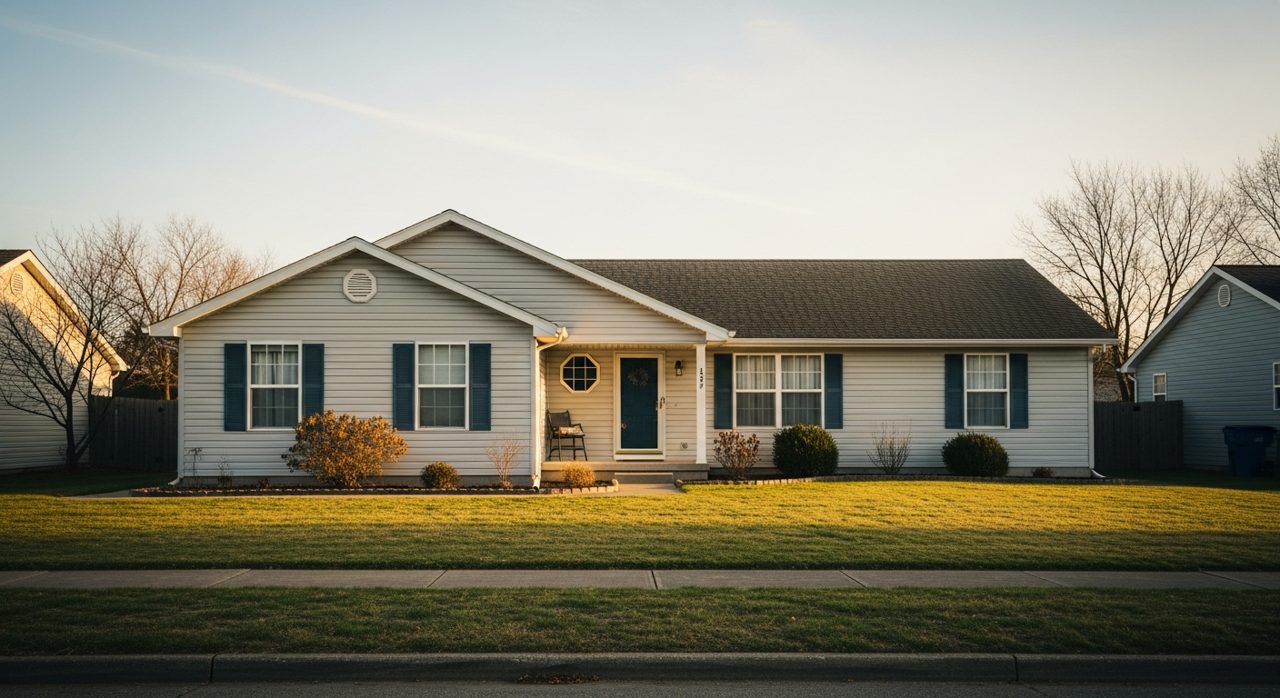
Managing an empty house from a distance can feel like a slow drain of money and attention, and wanting it resolved cleanly is completely reasonable.
An empty home in Pennsylvania keeps generating expenses even with no one living there. These carrying costs add up month after month:
When a house sits empty, these quietly eat into any equity you have. That is why many owners decide sooner rather than later whether to keep holding the property or sell it.
This is the single most important thing to check. Most standard homeowners policies are written for occupied homes, and coverage can be reduced or canceled once a property has been vacant for a set period, often around 30-60 days depending on the insurer. If something happens during that gap, a claim can be denied. Call your insurer, ask directly about their vacancy rules, and consider a vacant home policy if you plan to hold the property for a while. It is a small step that can prevent a large loss.
Pennsylvania's cold months are hard on vacant houses. Frozen and burst pipes are one of the most common and expensive problems. If the home will be empty through winter, either keep the heat set to a safe minimum or have the plumbing properly winterized and drained. Ask a neighbor or a property manager to check on it periodically, and keep an eye on snow load and gutters.
You do not have to be in Pennsylvania to sell a Pennsylvania home. Owners routinely handle sales remotely by:
If the property came to you through an estate or inheritance, confirm that the title is clear and, where needed, that any probate steps are complete before you list or sell. A title company or attorney can confirm this early so there are no surprises at closing.
Vacant homes are often dated or need work, and traveling back to Pennsylvania to manage repairs may not be practical. Selling in as-is condition to a buyer who accepts the property as it stands can save you the cost, time, and coordination of fixing it up from far away. You typically trade some price for that convenience, so compare it against a traditional listing before deciding.
HomePath Options is a free service that matches you with one vetted local buyer who is interested in your Pennsylvania property. We are not a we-buy-houses company, and we are not agents, lenders, or attorneys. We never charge a fee. For an out-of-state owner, that can mean one local, vetted point of contact instead of managing a distant property alone. If a HUD-approved housing counselor or a local attorney would serve you better first, we will tell you. There is no obligation and you can walk away at any time.
Taxes on a sale, title questions, and insurance rules all depend on your specifics. Please treat this as general information and confirm the details with your insurer, title company, or attorney.
Yes. Owners regularly sell Pennsylvania homes remotely using phone, email, and video, a local contact for property access, and a title company to handle closing. Documents can often be signed with a mobile notary, and in some cases remotely.
Often not fully. Many standard policies reduce or cancel coverage once a home is vacant beyond a set period, commonly around 30-60 days. Call your insurer to confirm their vacancy rules and ask about a vacant home policy.
They are the ongoing expenses that continue whether or not anyone lives there: mortgage, property and school taxes, insurance, utilities, lawn and snow care, and upkeep. These costs are why many owners decide quickly whether to hold or sell.
Frozen pipes are the biggest risk. Keep the heat at a safe minimum or have the plumbing winterized and drained, and have someone check the home regularly for leaks, weather damage, or break-ins.
In many cases the estate needs to be able to convey clear title, which can involve probate steps. Ask a title company or attorney to confirm what is required before you list or sell.
No. HomePath Options is free and matches you with one vetted local buyer. We never charge a fee, there is no obligation, and you can walk away at any time.
See if we have a buyer in your county, free
This page is general information, not legal or tax advice. For your specific situation, consult a licensed attorney in your state or the relevant agency. HomePath Options is an independent matching service, not a law firm, lender, or government program.